




The museums
The Marennes basin andIle d'Oléron boast a large number of museums. There are several museums and exhibitions in the basin.
From oysters to military architecture
Built in the 17th century to store food for the Brouage garrison, the Halle aux Vivres is now an exhibition space (first floor) on the history of Brouage, military architecture and trade with the Atlantic world. Don't miss a copy of the 1703 plan-relief in the center of the room, showing visitors the importance of the town in the 17th century. Other models, straight out of the plan-relief reconstruction workshop, illustrate the exhibition's themes. On the upper floor of the building, a documentation center welcomes researchers and military history enthusiasts, as well as the general public wishing to discover reference works on the history of Brouage and its marshes, military architecture from the Middle Ages to the 20th century, and Champlain and the history of Canada.
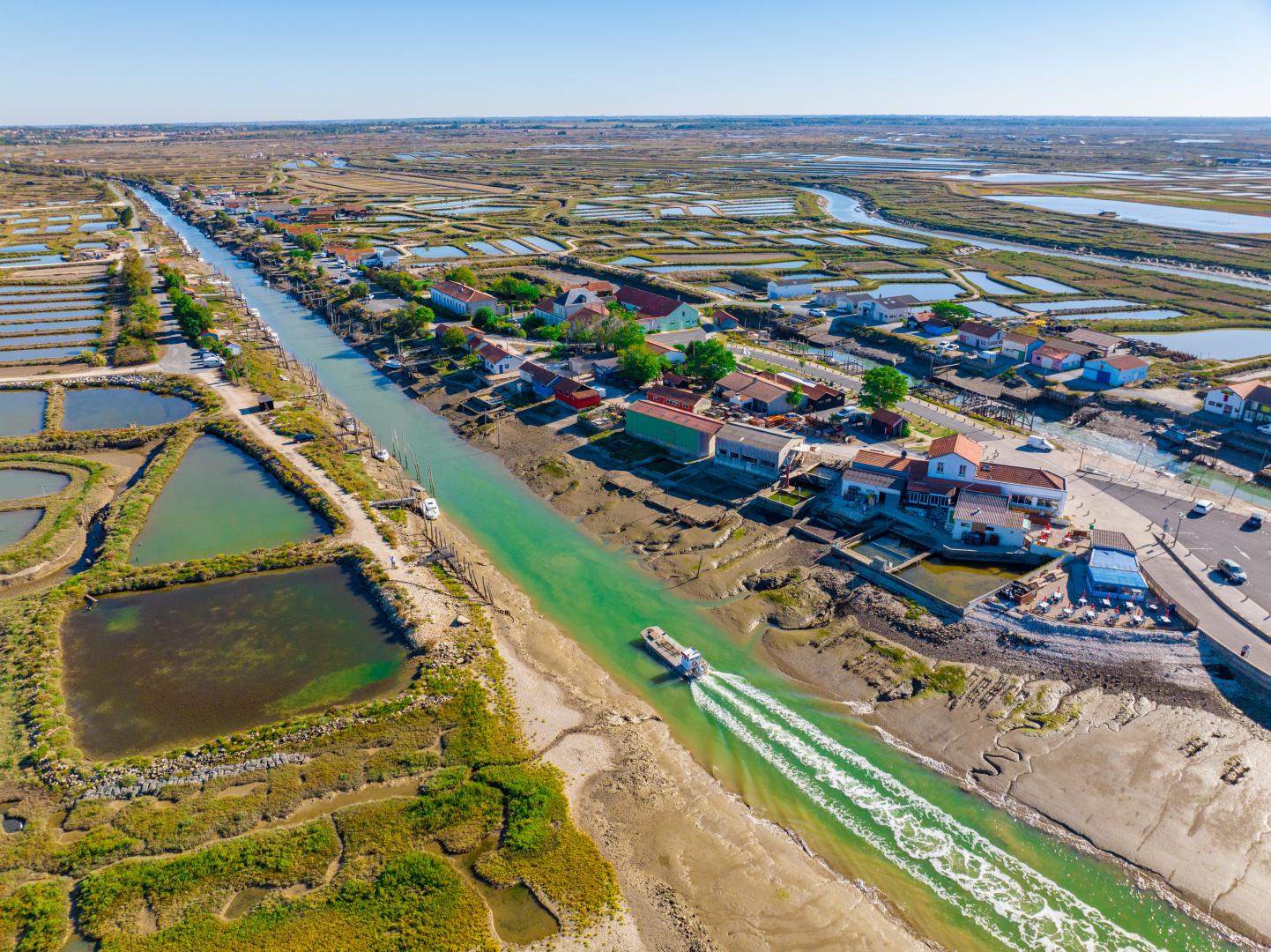
Did you know? the fully signposted Chemins de la Seudre, for walking or cycling, take you to the heart of the oyster beds to discover the kingdom of the "pousse en claire", the caviar of the Marennes Oléron oyster. Between Marennes and La Tremblade, the Chemins de la Seudre offer 108 km of peaceful walks.
In the Marennes basin, don't forget to make a detour to the Moulin des Loges, in Saint-Just-Luzac, in the heart of the former Seudre salt marshes, the region's only tidal mill. Rehabilitated in the 2000s, it is now one of Europe's last working tide mills. The site can be visited freely or with a guide. During a 45-minute guided tour, discover the history of this 18th-century mill. Your guide will reveal the mysteries of this man-made mechanism, which remains closely linked to its natural surroundings. Milling demonstrations are also offered from April to October. On leaving the mill, take your curiosity to the discovery trail that traces the activities that have made this place what it is: oyster farming, salt farming, fish ditches and livestock breeding.
Sharpen your curiosity about the island of Oléron
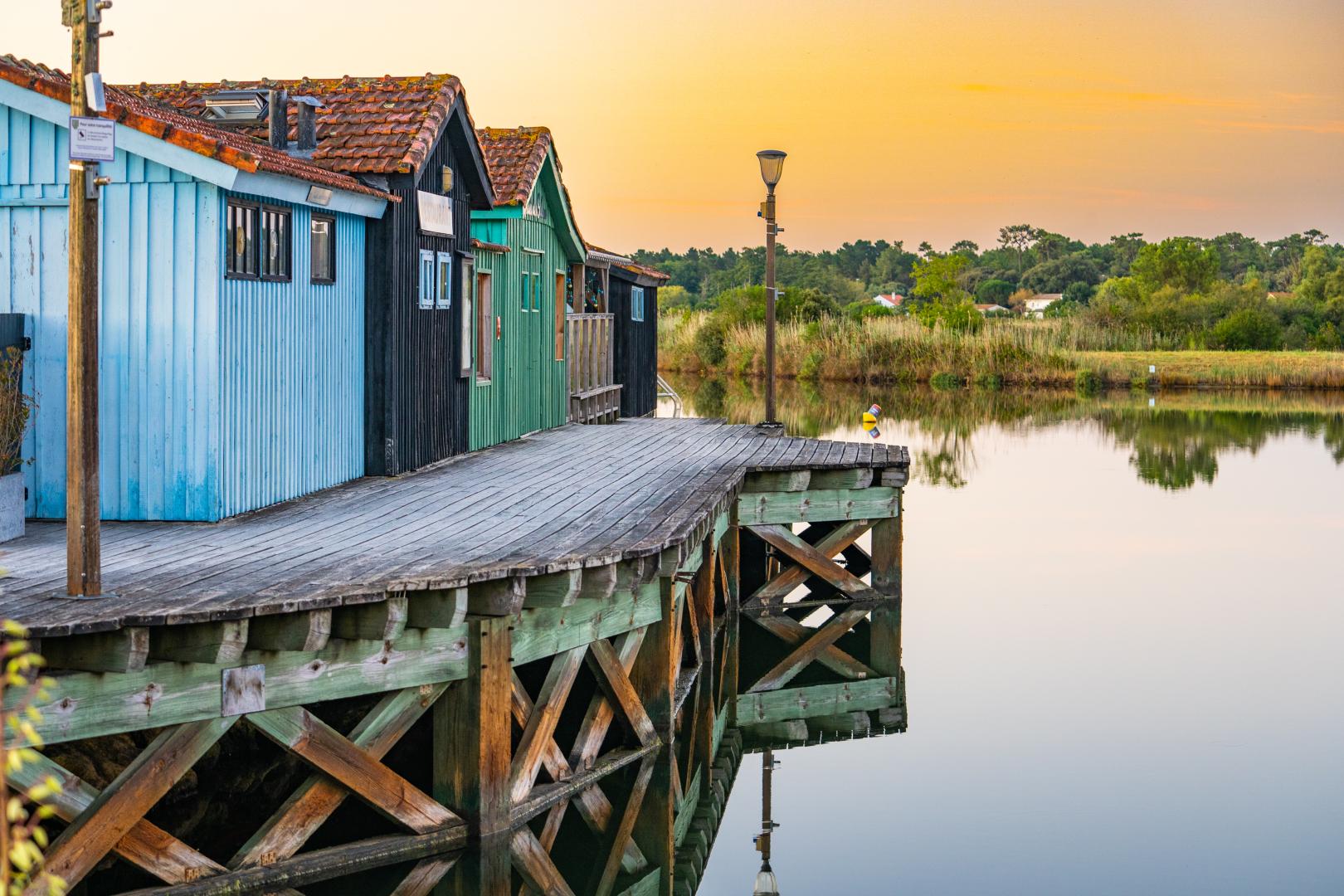
Crossing the bridge at Grand-Village-Plage, you can discover the Port des Salines, a multi-faceted salt marsh discovery site: eco-museum, guided tour, boat trip, interpretation trail... In colorful huts, the whole family can explore the world of salt and salt marshes in a fun way, with educational models, games and children's workshops. For those with a sweet tooth, discover the history of the white gold while tasting it on the tasting tours or at the apéros-barque.
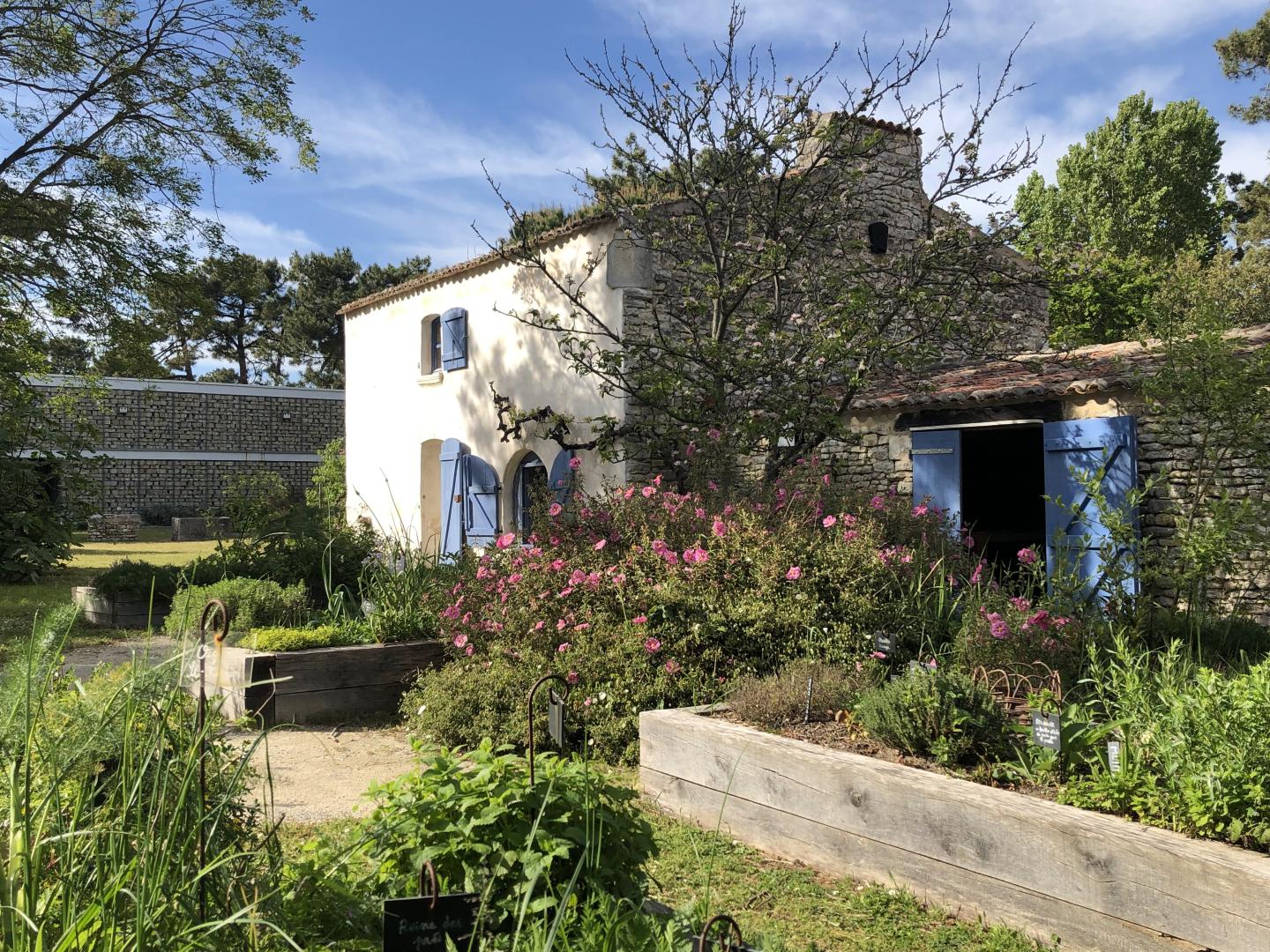
Also in Grand-Village-Plage, the Maison éco-paysanne (Eco-Peasant House) offers a modern, interactive tour of Oleron's habitat and eco-construction from the past to the future. The site consists of a farmhouse, barns and winery, illustrating the daily life of islanders at the end of the 19th century. Take a stroll through the garden and wander around the buildings, which have been rehabilitated by participatory workcamps designed to introduce visitors to traditional skills and eco-materials. The Interpretation Center, which completes the site, allows you to touch architecture at your fingertips, with models and a materials library. Videos, testimonials and fun activities will take you into the world of Oleron villages and eco-hamlets of the 21st century.
In the heart of Saint-Pierre d'Oléron, discover the Musée de l'Ile d'Oléron (currently closed for renovation, scheduled to reopen in 2028). This museum features over 500 objects evoking the island's traditional life and activities. Covering 600m2, several themes are presented, such as salt farming, viticulture, fishing, traditional costumes and habitats, through a complete museographic system (films, sound effects, a discovery trail for children and a tactile model of a salt marsh). The museum organizes a variety of exhibitions and activities throughout the year, for all kinds of visitors: tasting tours, guided tours...
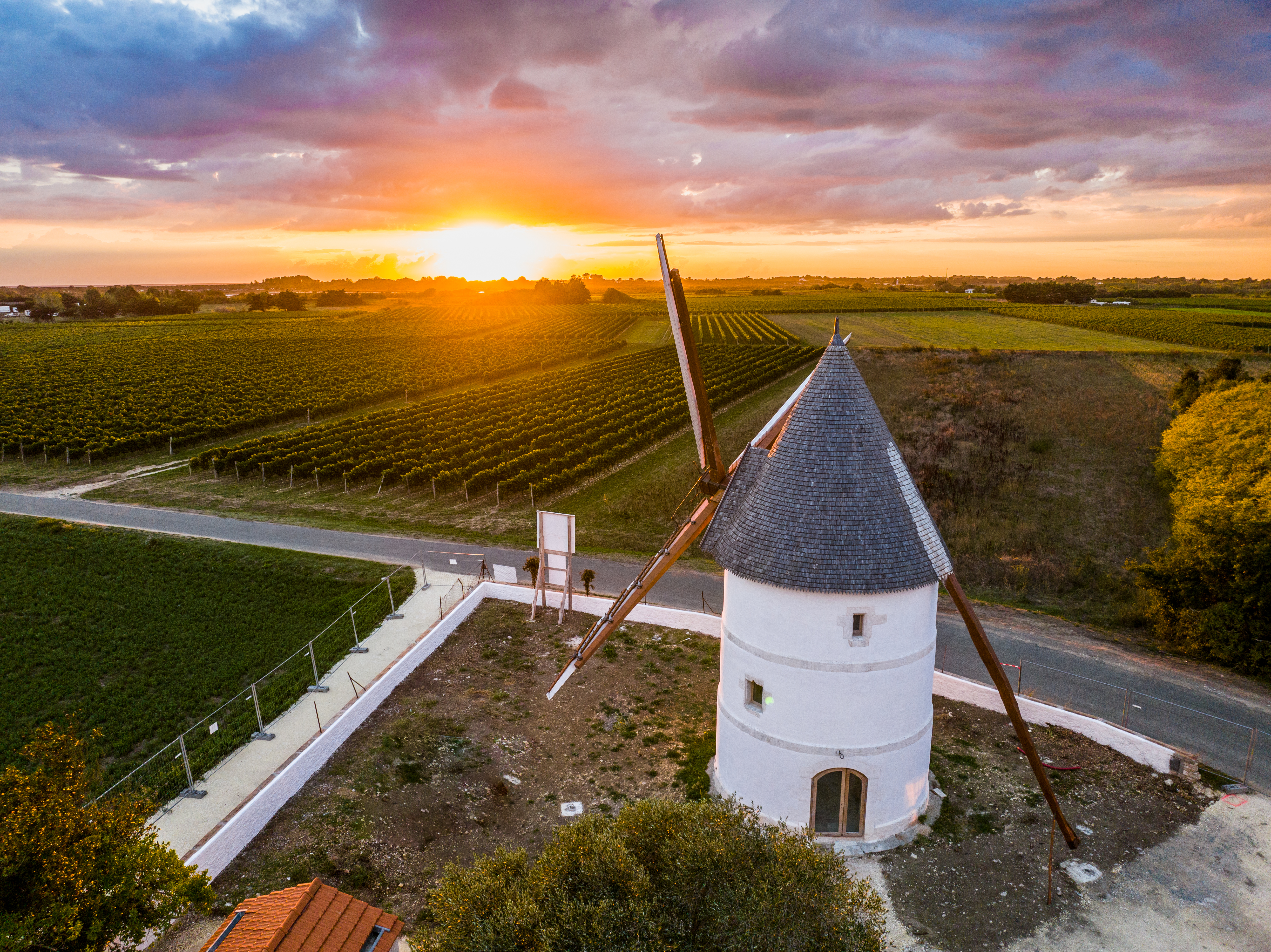
At La Brée-les-Bains, discover the Moulin de La Brée. Dating from the 17th century, it is one of the last mills on the island of Oléron to have preserved much of its original mechanism. Explore this new Oleron museum and discover Oleron's cereal-growing traditions and the mills that punctuate the island's landscape.
Finally, in Saint-Denis d'Oléron, in the very north of the island, the scenographic museum set up in the rotunda of the Chassiron lighthouse reveals the daily life and skills of the men of the coast, true sailors of the land.